
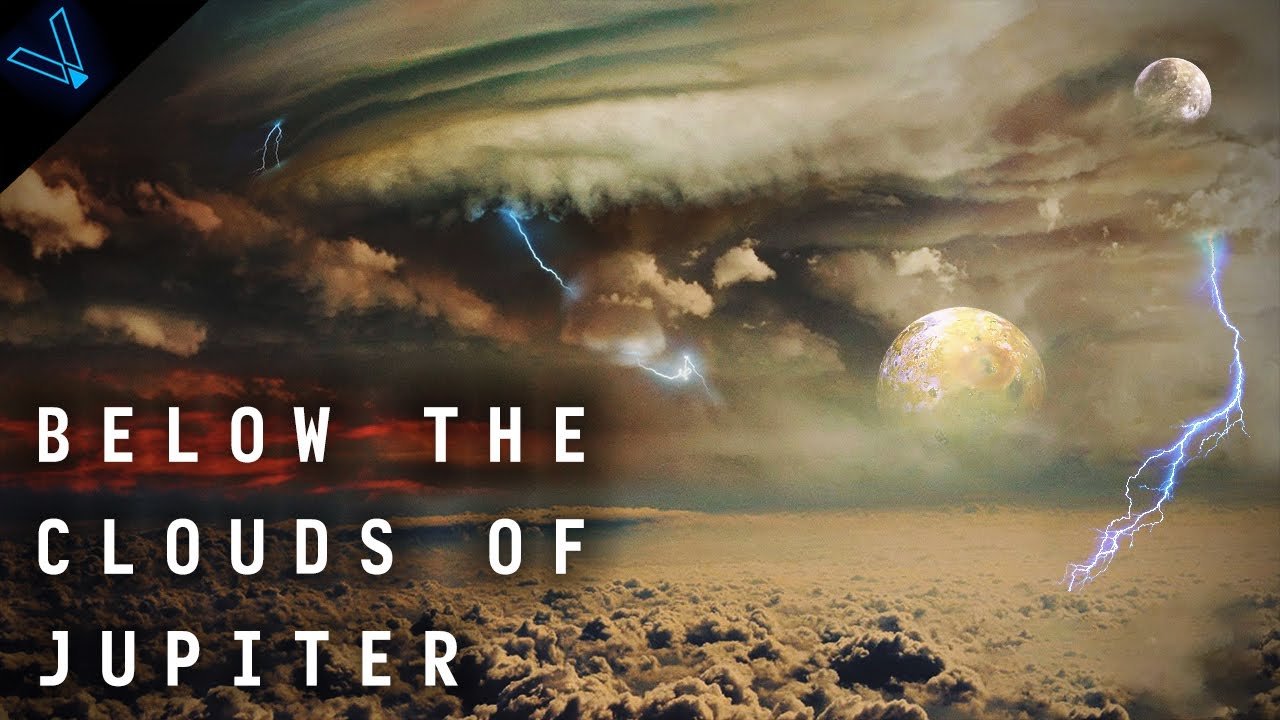
Jupiter’s surface is a mysterious realm of swirling storms and colossal size. What does Jupiter look like on the surface? Imagine beholding an otherworldly landscape of intricate cloud patterns and the iconic Great Red Spot. As spacecraft ventures closer to reveal the planet’s turbulent atmosphere, the true marvels of Jupiter come into view. Explore with us as we uncover the mesmerizing landscape of the largest planet in our solar system.

What Does Jupiter Look Like on the Surface?
Welcome, young explorers, on a journey to unravel the mysteries of the largest planet in our solar system – Jupiter! Have you ever wondered what Jupiter looks like up close? Let’s dive into the depths of this gas giant and discover what secrets lie beneath its swirling clouds.
The Giant Gas Ball: An Overview
Jupiter, named after the king of the Roman gods, is a massive planet located fifth from the sun. It is a gas giant, consisting mostly of hydrogen and helium. Unlike rocky planets such as Earth, Jupiter does not have a solid surface like the ground we walk on. Instead, its outer layers are made up of thick clouds of gas swirling around the planet.
The Atmosphere of Jupiter
As we venture closer to Jupiter, the first thing we notice is its mesmerizing atmosphere. The clouds on Jupiter are a beautiful blend of colorful bands, including shades of yellow, orange, brown, and white. These bands are caused by different chemicals in the atmosphere, creating stunning patterns that stretch across the planet.
The most prominent feature on Jupiter is the Great Red Spot, a massive storm that has been raging for centuries. This enormous swirling storm is larger than Earth itself and stands out as a reddish oval amidst the surrounding clouds.
Exploring the Cloud Layers
While Jupiter doesn’t have a solid surface, it does have several layers of clouds that we can study. The top layer, made up of ammonia crystals, forms the highest white clouds that we see from afar. Beneath these clouds lie layers of ammonium hydrosulfide and water clouds, creating a complex and dynamic atmosphere.
These clouds are in constant motion, swirling around Jupiter at incredible speeds. The planet’s fast rotation causes the bands of clouds to move in opposite directions, creating a turbulent and ever-changing environment.
Stormy Weather and Lightning on Jupiter
Jupiter is famous for its intense storms and lightning displays. The planet experiences powerful thunderstorms that can be larger and more energetic than any storms we see on Earth. Lightning bolts on Jupiter are not only more frequent but also much stronger than those on our home planet.
The lightning on Jupiter is caused by the interaction of water and ammonia molecules in the atmosphere, creating electrified clouds that light up the sky. These spectacular light shows add to the dynamic and vibrant nature of Jupiter’s atmosphere.
The Magnetosphere and Auroras
Just like Earth, Jupiter has its own magnetic field that interacts with charged particles from the sun. This interaction creates a magnetosphere around the planet, protecting it from harmful solar radiation.
When these charged particles collide with Jupiter’s atmosphere near the poles, they produce stunning auroras, similar to the Northern Lights we see on Earth. Jupiter’s auroras can be much larger and brighter, painting the sky with shimmering colors that dance across the polar regions.
As we conclude our exploration of Jupiter’s surface, we have discovered a world unlike any other in our solar system. While Jupiter may not have a solid surface to stand on, its swirling clouds, mesmerizing storms, and vibrant colors paint a picture of a dynamic and awe-inspiring planet.
Remember, young astronomers, there is still so much to learn about Jupiter and the wonders it holds. Who knows what other mysteries lie hidden beneath its turbulent atmosphere? Keep looking up at the night sky, and let your curiosity guide you on your journey through the cosmos!
What's It Like Inside Jupiter? Below The Clouds Of A Gas Giant (4K UHD)
Frequently Asked Questions
What features can be observed on Jupiter’s surface?
Jupiter does not have a solid surface like Earth; instead, it is a gas giant primarily composed of hydrogen and helium. The visible “surface” of Jupiter is actually just the top layer of its thick atmosphere, which displays a variety of cloud bands, swirling storms like the Great Red Spot, and high-altitude haze.
Are there any distinct colors or patterns on Jupiter’s surface?
Jupiter’s atmosphere showcases a range of colors and patterns mainly driven by complex chemical reactions and differing atmospheric pressures. Observable features include dark belts, light zones, and the iconic Great Red Spot, a massive storm that has been raging for centuries.
Can mountains or valleys be found on Jupiter’s surface?
While Jupiter lacks a solid surface to form traditional mountains or valleys, scientists believe that beneath its dense clouds lies a core made of rock and ice. Within its atmosphere, massive thunderstorms can create localized “mountains” of clouds, but these are not comparable to Earth’s geological formations.
Final Thoughts
Jupiter’s surface, covered by thick clouds of swirling gases, presents a mesmerizing sight. The planet’s swirling patterns boast vibrant hues and constantly changing shapes. What does Jupiter look like on the surface? A blend of colorful bands and intense storms, showcasing its dynamic and mysterious nature. Exploring this massive gas giant’s surface promises endless fascination and awe-inspiring beauty.