
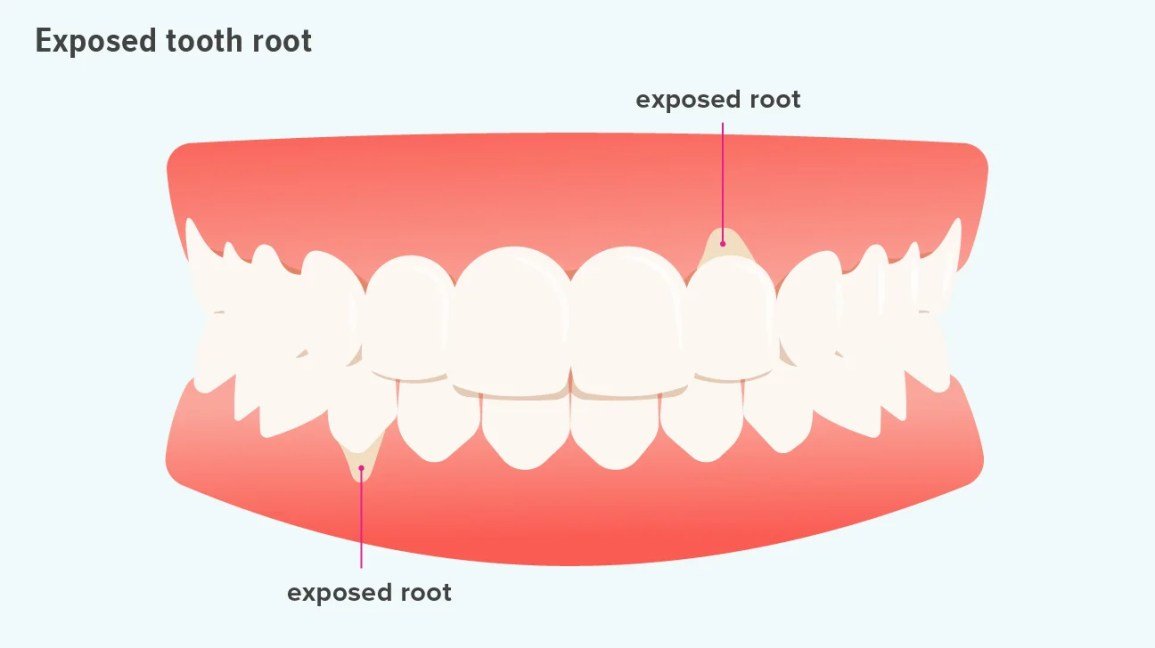
An exposed tooth root looks like a glimpse into the hidden world beneath your smile. Imagine a small section of the tooth’s surface revealed, delicate and vulnerable. When the gums recede, the root becomes exposed, often causing sensitivity and discomfort. It may appear as a darker, elongated area at the gum line, signaling a potential dental issue. Understanding what an exposed tooth root looks like is crucial for early detection and preventative dental care. Let’s delve deeper into this visible indicator of oral health.

What Does an Exposed Tooth Root Look Like?
Have you ever wondered what an exposed tooth root looks like? It’s essential to understand the signs and symptoms of an exposed tooth root for good oral health. In this article, we’ll explore what an exposed tooth root is, how to identify it, and what you can do to prevent and treat this common dental issue. Let’s dive in!
Understanding Exposed Tooth Roots
An exposed tooth root occurs when the hard enamel covering the tooth’s crown wears away, exposing the softer tissue underneath, known as dentin. This can happen due to various reasons, such as gum recession, tooth grinding, aggressive brushing, or periodontal disease. When the tooth root is exposed, it can lead to sensitivity, pain, and other dental problems if left untreated.
Signs and Symptoms
So, what does an exposed tooth root look like? One of the most common signs is increased sensitivity to hot, cold, sweet, or acidic foods and drinks. You may also notice a yellowish appearance at the base of the affected tooth, which indicates the exposed dentin. In some cases, you may experience sharp pain when consuming certain foods or beverages.
If you look closely at the affected tooth, you may see a portion of the root surface exposed near the gumline. The exposed area may appear darker or discolored compared to the rest of the tooth. Additionally, you might observe the gumline pulling away from the tooth, exposing more of the root surface.
Prevention Tips
Preventing an exposed tooth root is crucial for maintaining good oral health. Here are some tips to help prevent this issue:
1. Practice Good Oral Hygiene
Brush your teeth gently with a soft-bristled toothbrush and fluoride toothpaste at least twice a day. Floss daily to remove plaque and prevent gum disease, which can lead to gum recession.
2. Use a Mouthguard
If you grind your teeth at night, wearing a mouthguard can help protect your teeth from excessive wear and prevent gum recession.
3. Avoid Aggressive Brushing
Avoid brushing your teeth too hard, as this can wear away the enamel and expose the tooth roots. Use gentle, circular motions when brushing.
4. Visit Your Dentist Regularly
Regular dental check-ups and cleanings can help catch any dental issues early, including gum recession and exposed tooth roots. Your dentist can recommend appropriate treatment to prevent further damage.
Treatment Options
If you suspect you have an exposed tooth root, it’s essential to visit your dentist for an evaluation. Depending on the severity of the exposure, your dentist may recommend the following treatment options:
1. Desensitizing Toothpaste
Your dentist may recommend a desensitizing toothpaste to help alleviate sensitivity caused by the exposed tooth root. These toothpastes can help block the transmission of sensation from the tooth surface to the nerve.
2. Bonding or Fillings
If the exposed root surface is causing pain or aesthetic concerns, your dentist may apply bonding material or fillings to cover and protect the exposed area.
3. Gum Grafting
In cases of severe gum recession, your dentist may recommend a gum grafting procedure to cover and protect the exposed tooth root. This procedure involves taking tissue from another part of the mouth and attaching it to the receded gumline.
4. Root Canal Therapy
If the exposed tooth root has led to infection or extensive damage, your dentist may recommend root canal therapy to remove the infected tissue and protect the tooth from further decay.
Now that you know what an exposed tooth root looks like and how to identify the signs and symptoms, you can take proactive steps to prevent and treat this dental issue. Remember to practice good oral hygiene, visit your dentist regularly, and seek treatment promptly if you suspect you have an exposed tooth root. By taking care of your teeth and gums, you can maintain a healthy and beautiful smile for years to come!
Do you have any questions about exposed tooth roots or dental health in general? Feel free to reach out to your dentist for personalized advice and recommendations. Your smile matters, so let’s keep it healthy and happy!
Dentist Reveals What REALLY Happens In A Root Canal! 😭🦷
Frequently Asked Questions
What are the visual characteristics of an exposed tooth root?
An exposed tooth root may appear yellowish or darker than the surrounding teeth. It can look longer than normal, as the gum recession exposes more of the root surface. In some cases, you might even see a notch or indentation near the gumline where the root is exposed.
How does an exposed tooth root differ from a healthy tooth?
Unlike a healthy tooth, an exposed tooth root lacks the protective covering of the gums, making it vulnerable to sensitivity and decay. Additionally, the exposed root can be more prone to staining and may cause aesthetic concerns due to its appearance.
Can an exposed tooth root cause pain or discomfort?
Yes, an exposed tooth root can lead to sensitivity to hot, cold, or sweet foods and beverages. It can also cause discomfort while brushing or eating, especially if the root is exposed to air or touch directly. Seeking dental treatment is essential to address any pain or discomfort associated with an exposed tooth root.
Final Thoughts
An exposed tooth root appears as a yellowish area near the gumline. It looks like a part of the tooth that is not covered by enamel. Experiencing sensitivity to hot or cold foods is a common indication of an exposed tooth root. If you notice a tooth with an exposed root, it’s essential to consult your dentist for appropriate treatment.