
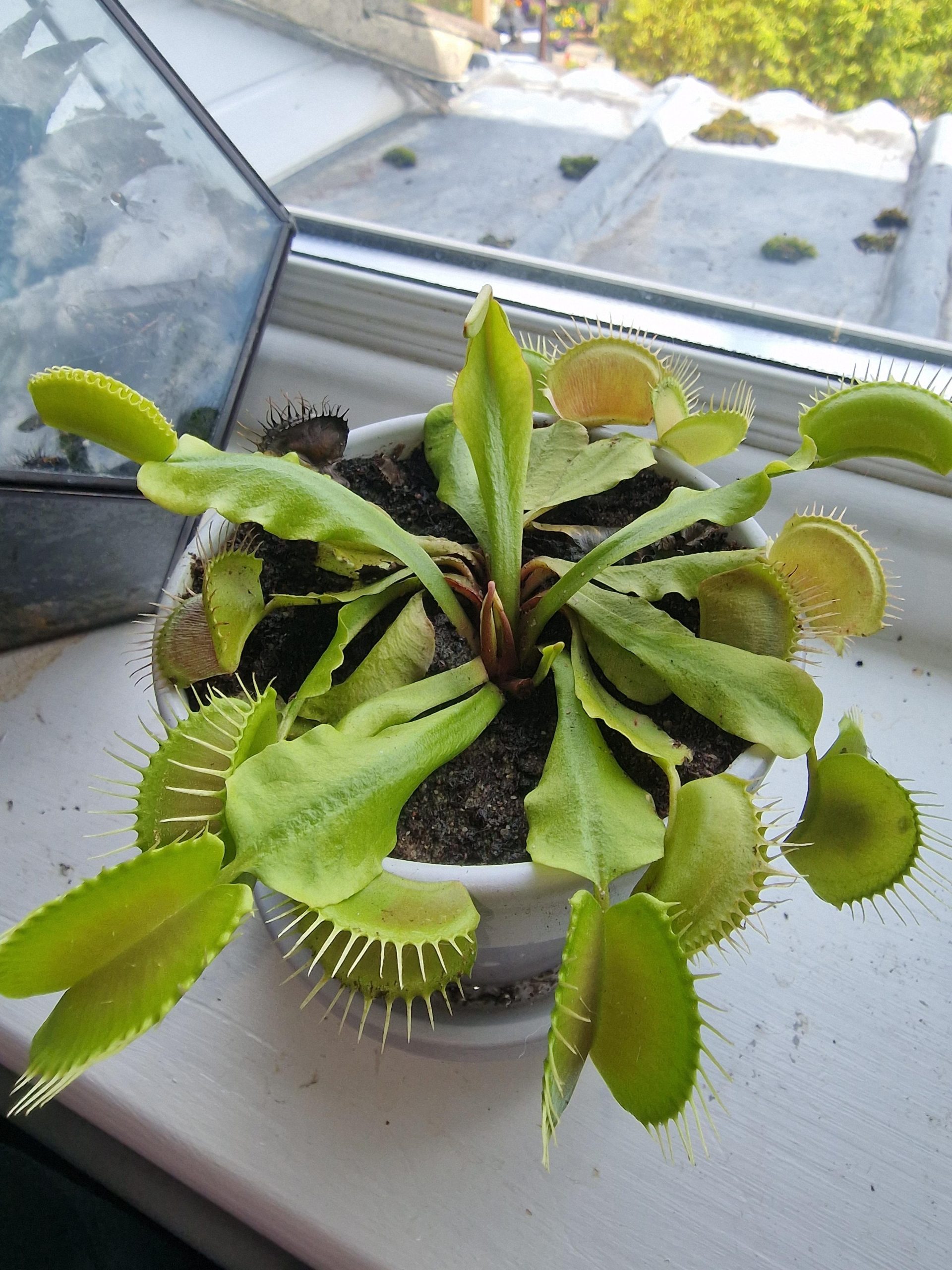
A healthy Venus flytrap boasts vibrant green leaves, each adorned with delicate, tooth-like structures. Jaws poised to snap shut at the slightest touch, these botanical wonders demand attention. Their wiry stems reach out confidently, seeking their next prey. Intrigued by what does a healthy Venus flytrap look like? Let’s delve into the fascinating world of these carnivorous beauties to uncover their secrets.

What Does a Healthy Venus Flytrap Look Like?
Welcome, plant enthusiasts! If you’re curious about the unique and fascinating Venus flytrap, you’ve come to the right place. In this blog post, we will delve into the world of these carnivorous plants and explore what a healthy Venus flytrap looks like. Whether you’re a beginner or a seasoned Venus flytrap keeper, understanding the signs of a thriving plant is crucial for its well-being. Let’s jump right in!
The Basics of Venus Flytraps
Before we dive into what a healthy Venus flytrap looks like, let’s first understand a bit about these intriguing plants. Venus flytraps are carnivorous plants native to the wetlands of the Carolinas in the United States. They are known for their unique ability to capture and digest insects, thanks to the sensitive trigger hairs on their leaves.
These plants thrive in humid, sunny environments and require specific care to stay healthy. When well cared for, Venus flytraps can live for several years and provide hours of enjoyment as you observe their fascinating behaviors.
Signs of a Healthy Venus Flytrap
Now, let’s explore the key indicators that your Venus flytrap is in good health:
1. Bright Green Color:
A healthy Venus flytrap will have vibrant, bright green leaves. If you notice that the leaves are turning yellow or brown, it may be a sign of stress or inadequate care. Ensure your plant is receiving enough sunlight to maintain its beautiful color.
2. Trap Functionality:
One of the most exciting features of a Venus flytrap is its ability to trap and digest insects. Healthy traps will snap shut quickly when triggered by prey. Keep in mind that traps can only close a limited number of times before they die off, so it’s essential to avoid triggering them unnecessarily.
3. New Growth:
A healthy Venus flytrap will continue to produce new leaves throughout its growth cycle. Look out for fresh, unfurled leaves emerging from the center of the plant. This indicates that your plant is actively growing and thriving.
4. Moist Soil:
These plants prefer damp, but not waterlogged, soil. Ensure that your Venus flytrap is planted in a well-draining mix and sits in a shallow tray of distilled water to maintain the necessary level of moisture. Avoid using tap water, as the minerals can harm the plant.
5. Absence of Pests:
Inspect your Venus flytrap regularly for any signs of pests or diseases. Common pests that can affect these plants include aphids and spider mites. If you notice any unwanted visitors, take appropriate action to remove them and prevent further infestation.
Caring for Your Venus Flytrap
Now that you know what a healthy Venus flytrap looks like, let’s go over some essential care tips to ensure your plant thrives:
1. Sunlight:
Place your Venus flytrap in a sunny location where it can receive at least 4-6 hours of direct sunlight each day. A sunny windowsill or a spot in your garden that gets plenty of sun is ideal for these light-loving plants.
2. Water:
Keep the soil of your Venus flytrap consistently moist by using distilled water or rainwater. Never let the soil dry out completely, as these plants require high humidity to thrive. Avoid using tap water, as the chlorine and minerals can harm your plant.
3. Feeding:
While Venus flytraps can catch insects on their own, you can supplement their diet by feeding them small insects like fruit flies or ants. Be careful not to overfeed your plant, as this can lead to rotting traps. Feed your Venus flytrap once every 2-4 weeks during the growing season.
4. Dormancy:
During the winter months, Venus flytraps go into a period of dormancy where they require less light and water. Place your plant in a cool location, ideally around 45-50°F (7-10°C), and reduce watering frequency. Allow your plant to rest during this time to ensure healthy growth in the following season.
Congratulations! You are now equipped with the knowledge to identify what a healthy Venus flytrap looks like and how to care for these captivating plants. Remember to monitor your plant regularly, provide the right conditions, and enjoy watching it thrive and capture its prey. With proper care and attention, your Venus flytrap will continue to delight and amaze you for years to come.
Thank you for joining us on this green journey. Happy growing!
How to Care for the Venus Fly Trap
Frequently Asked Questions
How can I tell if my Venus flytrap is healthy?
A healthy Venus flytrap will have vibrant green leaves with no signs of discoloration or wilting. The traps should be firm to the touch and show no signs of damage or decay. Additionally, there should be new growth emerging from the center of the plant.
What is the ideal soil and watering conditions for a healthy Venus flytrap?
For a healthy Venus flytrap, it is crucial to use a well-draining soil mix that is low in nutrients, such as a mix of sphagnum moss and perlite. Water the plant with distilled water or rainwater to ensure it is not exposed to minerals or chemicals found in tap water. Keep the soil consistently moist but not waterlogged.
How often should I feed my Venus flytrap for it to remain healthy?
A healthy Venus flytrap can catch its own prey through its traps, but if you want to feed it, offer it live insects like small flies or ants once every 2-4 weeks. Avoid overfeeding, as this can put stress on the plant.
Final Thoughts
In conclusion, a healthy Venus flytrap displays vibrant green leaves with red coloring on the inner surface of traps. The traps should be firm to the touch and capable of closing quickly when triggered. Additionally, the plant should have new growth emerging regularly. Overall, a healthy Venus flytrap exhibits vigorous growth and active trapping mechanisms, emphasizing the importance of providing the right care to maintain its well-being. Remember, observing what a healthy Venus flytrap looks like is crucial for its proper care and longevity.