
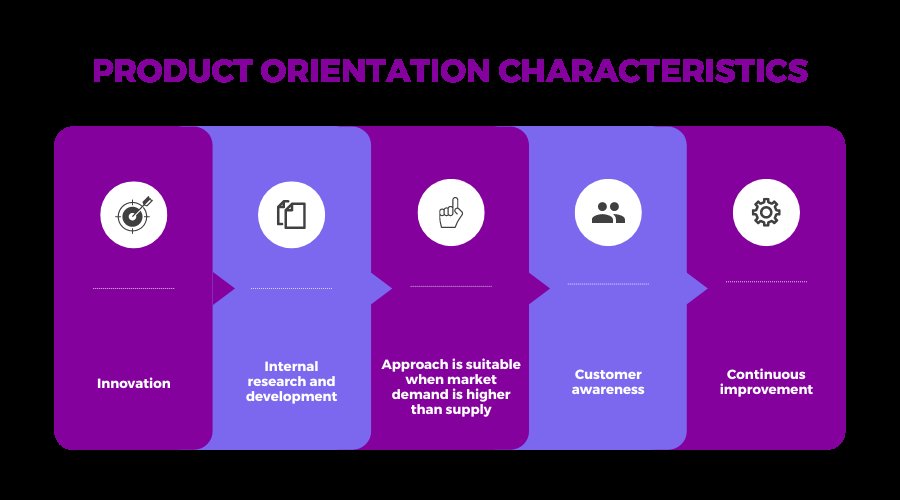
Product orientation focuses on creating the best products possible for consumers. It entails prioritizing product quality and features over customer needs. This approach assumes that a superior product will naturally attract customers. However, in today’s customer-centric market, understanding and meeting consumer needs is essential for success. Let’s delve deeper into what product orientation entails and its impact on businesses.

What is Product Orientation
Welcome to our blog where we unravel the concept of product orientation in a fun and informative way! Have you ever wondered how companies decide what products to make and how they go about selling them? Well, that’s where product orientation comes into play. Let’s dive deeper into this fascinating topic and understand what it’s all about.
The Basics of Product Orientation
Product orientation is a business approach where companies focus on creating products based on what they think customers want or need. In simple terms, it means putting all the efforts into making a product that the company believes is the best without considering the specific needs or wants of the customers. This approach is sometimes also referred to as “product-centric.”
Imagine a company that develops a new type of smartphone with advanced features and technology because they believe it’s the best on the market. They may assume that customers will automatically want to buy it because of its superior quality, without gathering feedback or conducting market research to validate their assumption. That’s the essence of product orientation.
Pros and Cons of Product Orientation
Pros:
1. Innovation: Companies following a product-oriented approach often come up with unique and innovative products that can stand out in the market.
2. Focus on Quality: By concentrating on the product itself, there’s a chance of producing high-quality goods that can attract customers based on their features and performance.
3. Brand Loyalty: If the company’s products consistently deliver high quality and meet customer expectations, it can lead to strong brand loyalty over time.
Cons:
1. Customer Disconnection: One major drawback of product orientation is the risk of disconnecting from customer needs and preferences, which can result in creating products that have limited market demand.
2. Market Uncertainty: Without understanding the market demands and trends, companies following a product-oriented approach may face challenges in predicting consumer behavior and adapting to changing preferences.
3. Missed Opportunities: By solely focusing on the product itself, companies might miss out on valuable insights and opportunities that could lead to more successful products tailored to customer needs.
Product Orientation vs. Market Orientation
It’s important to distinguish between product orientation and market orientation. While product orientation revolves around creating products based on internal beliefs and capabilities, market orientation focuses on identifying and satisfying customer needs and wants through market research and customer feedback.
A market-oriented approach involves understanding the target audience, conducting market research, and adapting products and strategies to meet customer demand. This customer-centric approach often leads to higher customer satisfaction and a better competitive advantage in the marketplace.
Key Takeaways
Product orientation can be a double-edged sword for businesses. While it can drive innovation and quality, it also poses risks of customer alienation and missed opportunities. Understanding the balance between product and market orientation is crucial for companies to thrive in a competitive market.
As you delve deeper into the world of business and marketing, keep in mind the significance of aligning your product development strategies with customer needs and preferences. Whether a company leans towards product orientation or market orientation, finding the right balance is key to long-term success.
We hope this article has shed some light on the concept of product orientation and its implications for businesses. Stay tuned for more engaging content on various topics related to business, marketing, and innovation!
Product Orientation VS Market Orientation (With Real World Examples) | From A Business Professor
Frequently Asked Questions
What are the key principles of product orientation?
Product orientation focuses on creating and improving products based on the company’s capabilities and offerings rather than customer needs. This approach emphasizes quality, features, and performance of the product to stay competitive in the market.
How does product orientation differ from other business orientations?
Product orientation contrasts with market orientation where the primary focus is on understanding and meeting customer needs and wants. In contrast, product orientation prioritizes internal capabilities and innovation over customer feedback and market demand.
How can a company benefit from adopting a product orientation strategy?
By adopting a product orientation strategy, a company can innovate more effectively, create technically advanced products, and differentiate itself based on product quality and features. This approach can help the company establish a strong reputation for excellence in its industry.
Final Thoughts
In conclusion, product orientation is a business approach where the focus is on creating high-quality products with cutting-edge features. Companies following this strategy prioritize product development and innovation to attract customers. By emphasizing product superiority, organizations aim to outperform competitors and meet customer demands effectively. In essence, product orientation revolves around delivering exceptional products that meet market needs and exceed customer expectations.