
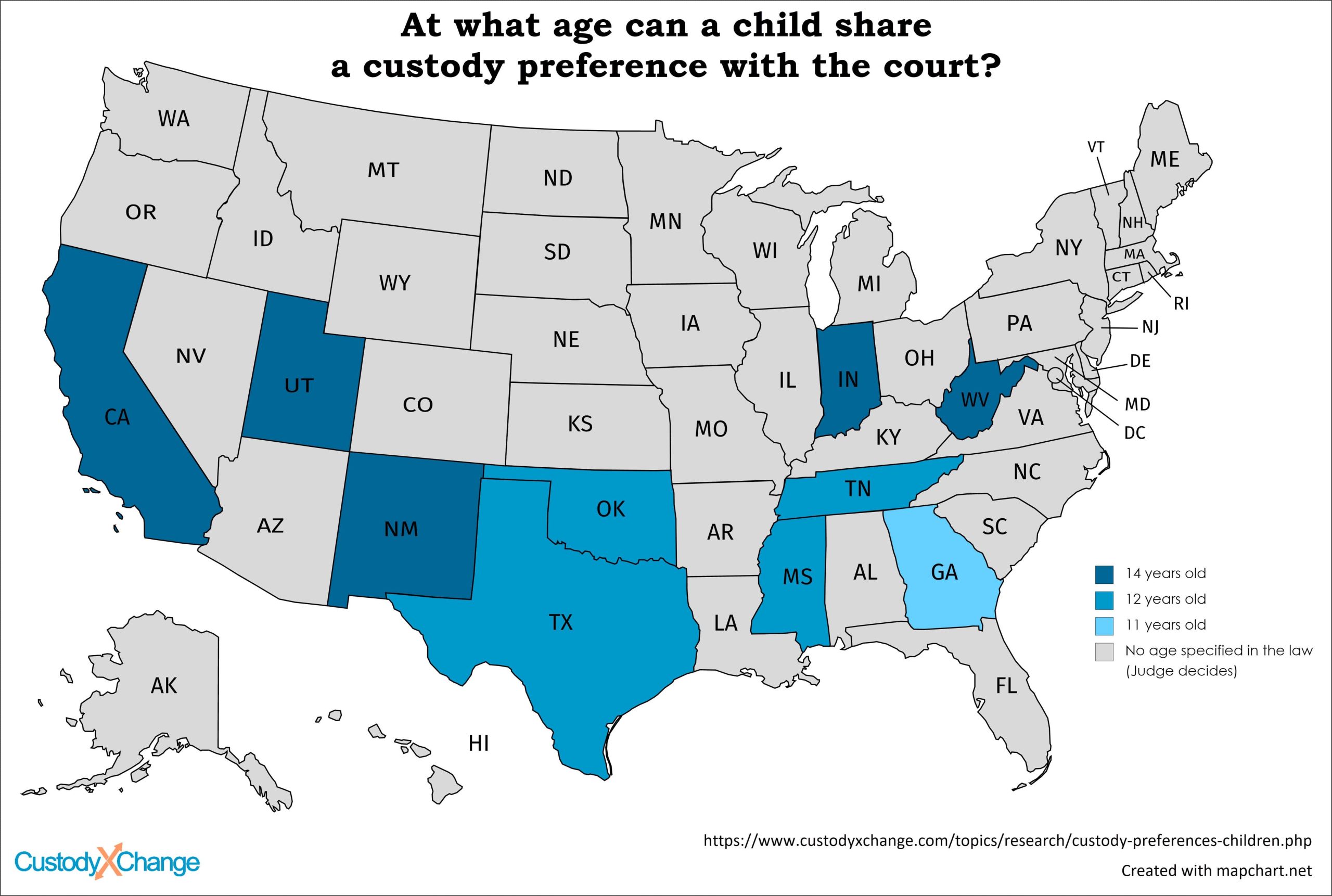
In Florida, at what age can a child choose which parent to live with? The legal concept of a child’s preference in custody decisions is often a point of interest and concern for parents navigating family law matters. Understanding the guidelines around this issue is crucial for making informed decisions. Let’s delve into the specifics of at what age can a child choose which parent to live with in Florida and explore the factors that come into play in this significant decision-making process.

At What Age Can a Child Choose Which Parent to Live With in Florida?
When parents separate or divorce, one of the most crucial decisions to be made is determining the custody arrangement for their child. In the state of Florida, the court’s primary focus is always the child’s best interests. However, many people wonder at what age a child can have a say in deciding which parent they want to live with. Let’s delve into this important question and explore the factors involved in such decisions.
The Legal Framework in Florida
Florida family law governs the process of determining child custody, known as time-sharing in the state. The court considers various factors when making decisions about parental responsibility and time-sharing arrangements. While children do not have an absolute right to choose which parent to live with, their preferences can carry weight, especially as they grow older.
Age Considerations
It’s essential to understand that there is no specific age at which a child can automatically choose which parent to live with in Florida. Instead, the court considers the child’s maturity, intelligence, and ability to articulate their preferences when making custody decisions.
Younger Children
Young children, typically those under the age of ten, may not have their preferences given significant weight by the court. This is because they may not fully understand the implications of their choices or may be easily influenced by a parent’s preferences. However, the court may still take their wishes into account, especially if there are special circumstances involved.
Older Children and Teenagers
As children enter their pre-teen and teenage years, typically around the ages of 12 to 14 and older, their preferences become more influential in custody decisions. Courts are more likely to consider their desires regarding which parent they want to live with, taking into account their reasoning and maturity level.
Factors Considered by the Court
When a child expresses a desire to live with one parent over the other, the court will evaluate various factors to assess the child’s best interests. These factors may include:
- The child’s emotional ties to each parent
- The child’s adjustment to their home, school, and community
- The mental and physical health of each parent
- Any history of abuse or neglect
- The ability of each parent to provide a stable environment
It’s important to note that the court’s ultimate goal is to ensure the child’s safety, well-being, and happiness. While a child’s preference is considered, it is just one of many factors that the court weighs in making custody determinations.
Child Custody Evaluation
In some cases where parents cannot agree on a custody arrangement, the court may order a child custody evaluation. A trained mental health professional will assess the child’s relationship with each parent and make recommendations to the court based on their findings. The evaluator will consider the child’s age, maturity, and preferences in the evaluation process.
Parenting Plans
Florida law encourages parents to create a parenting plan that outlines how they will share time with their child and make decisions regarding their upbringing. When parents can agree on a plan, they have more control over the custody arrangement and can tailor it to suit their child’s needs.
If parents cannot agree on a parenting plan, the court will intervene and establish one based on the child’s best interests. The court will consider the child’s preferences if they are mature and able to express them effectively.
While there is no specific age at which a child can choose which parent to live with in Florida, the court considers the child’s wishes as one of many factors in custody decisions. As children grow older and demonstrate maturity, their preferences are more likely to influence the court’s determinations. Ultimately, the goal is to create a custody arrangement that prioritizes the child’s well-being and happiness above all else.
Parents should always strive to work together in the best interests of their child, putting aside personal differences to create a loving and supportive environment for their children. By focusing on what is best for the child, parents can navigate the complexities of custody arrangements with their child’s welfare at the forefront.
At What Age Can My Child Choose Where to Live?
Frequently Asked Questions
What factors are considered in Florida when determining at what age a child can choose which parent to live with?
In Florida, the court considers various factors when determining if a child is mature enough to express a preference regarding which parent they want to live with. These factors include the child’s intelligence, age, experience, judgment, and ability to articulate their preference.
Can a child’s preference override a court’s custody decision in Florida?
While a child’s preference is taken into consideration by the court in Florida, it does not automatically override the custody decision made by the court. The judge will consider the child’s preference along with other factors to determine the best interests of the child.
Is there a specific age at which a child can choose which parent to live with in Florida?
There is no specific age specified in Florida law at which a child can choose which parent to live with. The court will assess the child’s maturity and ability to make such decisions on a case-by-case basis.
How can a child express their preference regarding which parent to live with in Florida?
A child can express their preference regarding which parent to live with in Florida by directly informing the judge during custody proceedings or providing their input through a guardian ad litem or a custody evaluator appointed by the court.
Final Thoughts
In Florida, a child can choose which parent to live with at the age of 18. However, the court may consider the child’s preferences if they are mature enough to make an informed decision. It’s important to note that the child’s best interests always come first in custody decisions. Ultimately, at what age can a child choose which parent to live with in Florida depends on various factors, including the child’s maturity and ability to express their preferences.