
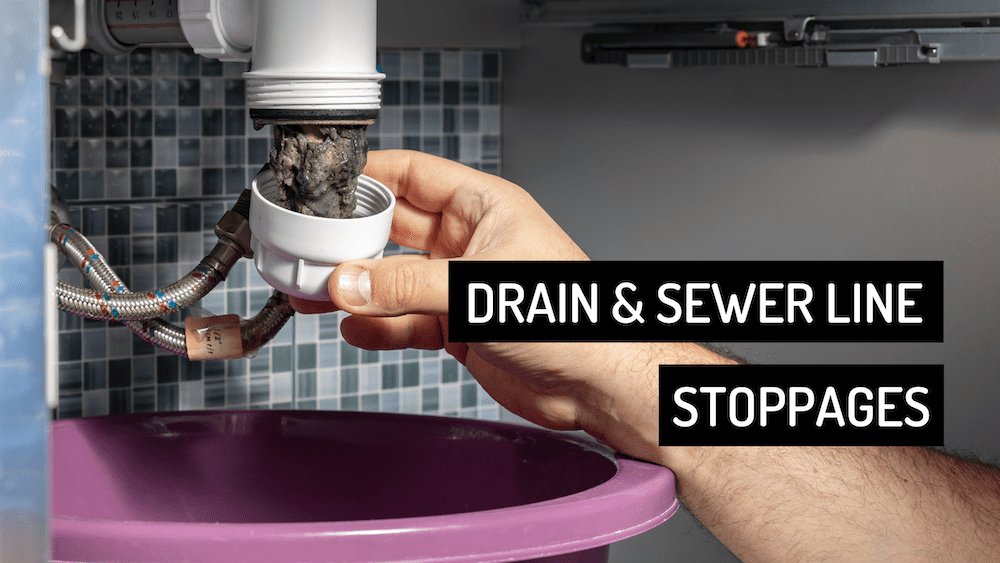
A plumbing stoppage is a common household issue that can disrupt your daily routine and lead to frustration. It occurs when there is a blockage in the pipes, preventing water flow. When faced with a plumbing stoppage, understanding its causes and solutions is crucial. From simple clogs to more severe blockages, knowing how to tackle this problem can save you time and money. In this article, we will delve deeper into what causes a plumbing stoppage and explore effective ways to address it.

What is a Plumbing Stoppage: Understanding Common Causes and Solutions
Introduction to Plumbing Stoppage
Plumbing stoppage, also known as a clogged drain or blocked pipe, is a common household issue that can disrupt the flow of water in your plumbing system. When a plumbing stoppage occurs, water cannot pass through the pipes freely, leading to slow drainage, backups, and potential water damage. Understanding the causes of plumbing stoppages and how to address them is essential for maintaining a properly functioning plumbing system in your home.
Causes of Plumbing Stoppage
1. Grease and Food Particles
One of the most common causes of plumbing stoppages in the kitchen sink is the buildup of grease and food particles. When cooking oil or fatty substances are poured down the drain, they can solidify and accumulate inside the pipes, restricting water flow. Food scraps that are not disposed of properly can also contribute to blockages over time.
2. Hair and Soap Scum
In bathroom drains, hair and soap scum are frequent culprits for plumbing stoppages. Hair strands can tangle and combine with soap residue, forming stubborn clogs that prevent water from draining efficiently. Over time, these blockages can worsen, leading to slow drainage or complete backups in sinks and showers.
3. Foreign Objects
Accidentally flushing foreign objects down the toilet or allowing small items to go down the sink drain can result in plumbing stoppages. Items such as sanitary products, wet wipes, and small toys can get lodged in the pipes, creating blockages that impede water flow and lead to plumbing issues.
4. Mineral Buildup
In areas with hard water, mineral deposits can accumulate inside the pipes, narrowing the passage for water to flow through. The gradual buildup of minerals like calcium and magnesium can cause reduced water pressure and plumbing stoppages over time, requiring regular maintenance to prevent blockages.
Signs of a Plumbing Stoppage
1. Slow Draining
One of the early signs of a plumbing stoppage is slow drainage in sinks, showers, or tubs. If you notice that water is taking longer to drain than usual, it could indicate a partial blockage in the pipes that needs to be addressed.
2. Gurgling Sounds
Unusual gurgling or bubbling noises coming from the drains when water is running can be a sign of a plumbing stoppage. These sounds occur as air trapped in the pipes tries to escape past the blockage, indicating an issue that requires attention.
3. Foul Odors
Persistent foul odors emanating from drains or plumbing fixtures can be a sign of organic material or debris trapped in the pipes, causing blockages and creating a breeding ground for bacteria. Addressing the underlying cause of the odor is essential to prevent further plumbing problems.
4. Backups and Overflows
Severe plumbing stoppages can result in backups of water or sewage in sinks, toilets, or tubs. If you experience water coming back up through the drains or overflowing fixtures, it indicates a significant blockage that requires immediate action to prevent water damage and health hazards.
Preventing and Resolving Plumbing Stoppage
1. Regular Maintenance
To prevent plumbing stoppages, it is essential to practice good maintenance habits such as avoiding pouring grease down the drain, using drain strainers to catch hair and debris, and conducting routine plumbing inspections to identify potential issues early on.
2. DIY Solutions
For minor plumbing stoppages, DIY solutions like using a plunger or a drain snake can help dislodge obstructions and restore proper water flow. However, it is important to use these tools correctly to avoid causing damage to the pipes.
3. Professional Plumbing Services
In cases of stubborn or recurrent plumbing stoppages, seeking professional plumbing services is advisable. Licensed plumbers have the expertise and tools to diagnose the root cause of the issue and implement effective solutions to clear blockages and prevent future stoppages.
4. Hydro Jetting
Hydro jetting is a highly effective method used by professional plumbers to clear stubborn blockages in pipes. This process involves using high-pressure water to flush out debris, grease, and other obstructions, restoring the flow of water and improving the overall condition of the plumbing system.
In conclusion, understanding what a plumbing stoppage is and recognizing the common causes and signs of blockages is crucial for maintaining a healthy plumbing system in your home. By implementing preventive measures, addressing stoppages promptly, and seeking professional help when needed, you can keep your plumbing system running smoothly and prevent costly repairs in the long run. Remember, a little maintenance goes a long way in ensuring the proper functioning of your home’s plumbing.
HOW TO CLEAR A SEWER STOPPAGE THROUGH AN OUTSIDE CLEANOT
Frequently Asked Questions
What causes a plumbing stoppage?
A plumbing stoppage occurs when there is a blockage in the pipes that restricts or completely stops the flow of water or waste. Common causes of plumbing stoppages include buildup of hair, grease, soap scum, food particles, and solid objects in the pipes.
How can I identify a plumbing stoppage in my home?
You may notice signs of a plumbing stoppage such as slow draining sinks or tubs, gurgling noises coming from the drains, water backing up in different fixtures, or unpleasant odors emanating from the drains. If you experience any of these symptoms, it is likely that you have a plumbing stoppage.
Can I fix a plumbing stoppage on my own?
For minor stoppages, you may be able to clear the blockage using a plunger or a plumbing snake. However, if the stoppage is severe or located deep within the pipes, it is recommended to call a professional plumber to avoid causing further damage.
Final Thoughts
A plumbing stoppage occurs when a blockage prevents proper flow within a pipe, leading to potential issues such as backups and slow drainage. Identifying and addressing stoppages promptly can prevent costly repairs and water damage. Regular maintenance and proper disposal of waste can help prevent plumbing stoppages. Remember, a plumbing stoppage refers to any obstruction that hinders the normal flow of water in your pipes. Be proactive in addressing any signs of a potential stoppage to avoid inconvenience and damage.