
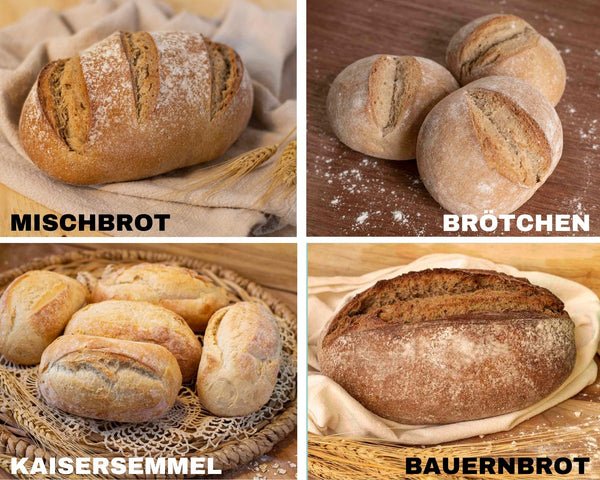
German bread: a culinary delight loved worldwide. Crafted with precision, each loaf embodies centuries-old traditions and craftsmanship. From the crusty Bauernbrot to the soft and chewy Roggenbrot, German bread offers a diverse range of flavors and textures. Dive into the world of German breadmaking and discover the essence of this beloved staple.

Unveiling the Delicious World of German Bread
Welcome to the delightful journey into the heart of German bread, where centuries-old traditions blend with unique flavors to create an exceptional culinary experience. Let’s dive into the intriguing world of German bread and explore what makes it so special!
The Rich History of German Bread
German bread has a rich history that dates back to medieval times when baking bread was not just a necessity but also an art form. The Germans have perfected the art of bread-making over the years, passing down recipes and techniques from generation to generation.
One of the defining characteristics of German bread is its diversity. Each region in Germany has its own traditional bread recipes, resulting in a vast array of flavors, textures, and shapes. From the dark, dense rye bread of the north to the light and airy wheat bread of the south, German bread offers something for every palate.
The Key Ingredients of German Bread
German bread is known for its high-quality, wholesome ingredients that give it a unique taste and texture. Rye flour, wheat flour, water, salt, and yeast are the basic ingredients used in most German bread recipes. However, each baker may add their own special touch, such as seeds, nuts, or spices, to create signature loaves.
Rye bread is particularly popular in Germany, thanks to its hearty flavor and dense texture. Rye flour contains less gluten than wheat flour, giving rye bread its characteristic chewiness and deep flavor. Many traditional German bread recipes combine rye and wheat flours for a balanced taste and texture.
The Art of German Bread-Making
Bread-making in Germany is a meticulous process that requires skill, patience, and attention to detail. German bakers take pride in their craft, following traditional recipes and techniques to ensure the perfect loaf every time.
One of the most important steps in German bread-making is the fermentation process. German bakers often use sourdough starter, a mixture of flour and water that ferments naturally over time. This slow fermentation process not only enhances the flavor of the bread but also improves its digestibility and shelf life.
Popular Varieties of German Bread
German bread comes in a wide variety of shapes, sizes, and flavors, each with its own unique characteristics. Some popular varieties of German bread include:
- Schwartzbrot: a dark rye bread with a hearty flavor
- Laugenbrezel: a pretzel-shaped bread with a crispy crust
- Sonnenblumenbrot: a sunflower seed bread with a nutty flavor
- Bauernbrot: a rustic, whole-grain bread with a dense texture
The Cultural Significance of German Bread
In Germany, bread is more than just a staple food—it is a symbol of tradition, community, and craftsmanship. Baking bread is a time-honored tradition in German households, with many families passing down their bread recipes for generations.
German bread is also deeply rooted in the country’s cultural heritage. Many German towns and regions have their own unique bread festivals, where locals come together to celebrate the art of bread-making and share their favorite recipes.
In Conclusion
German bread is a true culinary treasure, embodying centuries of tradition, craftsmanship, and passion. From the dark, flavorful rye bread of the north to the light, airy wheat bread of the south, German bread offers a diverse and delicious array of flavors for bread lovers to enjoy.
Whether you’re savoring a slice of Schwartzbrot with butter or enjoying a Laugenbrezel with mustard, German bread is sure to delight your taste buds and leave you craving more. So, next time you’re in Germany, be sure to sample some authentic German bread and experience the rich tapestry of flavors that this beloved culinary tradition has to offer!
German Bread And Bakeries: Why Germany Is The King Of The Crust | Meet the Germans
Frequently Asked Questions
What makes German bread unique?
German bread is known for its wide variety of flavors, textures, and shapes. What sets it apart is the use of rye flour, which gives German bread its distinctive taste and dense consistency.
Are there different types of German bread?
Yes, there are numerous types of German bread, ranging from the popular dark rye bread (Vollkornbrot) to the crusty wheat bread (Bauernbrot) and the soft white bread rolls (Brötchen). Each region in Germany also has its own specialties.
Why is German bread considered a staple in German cuisine?
German bread has a long history and cultural significance in Germany. It is enjoyed at all meals and is an essential part of German cuisine, symbolizing tradition, quality, and craftsmanship.
What ingredients are commonly used in German bread?
Some common ingredients used in German bread include rye flour, wheat flour, water, salt, yeast, and various seeds or nuts for added flavor and texture.
How is German bread traditionally baked?
German bread is typically baked in a stone oven, which helps create a crisp crust and moist interior. The bread is often allowed to rise slowly, fermenting for longer periods to develop its rich flavor.
Final Thoughts
German bread encompasses a rich history and variety of flavors that sets it apart. From hearty rye bread to sweet brioche, there is something to satisfy every palate. What sets German bread apart is its traditional baking methods and high-quality ingredients. Overall, German bread is a culinary delight worth exploring for its unique textures and flavors.