
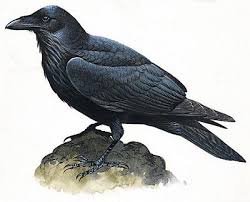
Moses, the raven, in “Animal Farm,” serves as a symbol of religious manipulation and escapism. His role in the story offers a unique perspective on how power can be maintained through both fear and hope. Moses’s presence on the farm adds complexity to the animals’ struggle for freedom and equality. Let’s delve deeper into what Moses’s role in “Animal Farm” truly signifies.

What is Moses’s Role in Animal Farm
Welcome to our exploration of the intriguing character of Moses in George Orwell’s classic novel, Animal Farm. In this blog post, we will delve into the role of Moses, the raven, and his influence on the animals living on the farm. Moses is a unique figure in the story, serving a distinct purpose that adds layers of complexity to the narrative. Let’s unravel the mystery behind Moses and his significance in Animal Farm!
The Introduction of Moses
From the very beginning of the story, Moses stands out as a peculiar character among the animals. He is introduced as a tame raven who is given special treatment by the pigs, particularly by Mr. Jones, the former owner of the farm. Unlike the other animals who toil in the fields and barns, Moses is allowed to perch on a high perch and is even provided with a daily ration of beer. His presence raises questions among the animals, as they wonder about his role and the intentions behind the pigs’ favoritism towards him.
Moses and his Tales of Sugar Candy Mountain
One of the most significant aspects of Moses’s character is his role as a spreader of hope and comfort through his stories about Sugar Candy Mountain. This mysterious paradise, according to Moses, is a place where all the animals go after they pass away. It is depicted as a land of eternal bliss, where the animals are free from the hardships of their earthly existence and can enjoy everlasting happiness.
The Influence of Sugar Candy Mountain
Moses’s tales about Sugar Candy Mountain have a profound impact on the animals, especially during times of struggle and hardship. His stories provide them with a sense of hope and solace, reassuring them that there is a better place awaiting them beyond their current challenges. This belief in a utopian afterlife serves as a form of escapism for the animals, helping them cope with the harsh realities of their daily lives on the farm.
Comparison to Religion
Interestingly, Moses’s role in spreading the idea of Sugar Candy Mountain bears resemblance to the concept of religion in human societies. Just as faith provides comfort and guidance to believers in the face of adversity, Moses’s tales offer the animals a sense of purpose and consolation. This parallel highlights the universal human need for spirituality and the search for meaning beyond the material world.
Moses and the Pigs’ Manipulation
While Moses’s stories may bring comfort to the animals, they also serve a strategic purpose for the pigs in power. The pigs, led by the cunning Napoleon, use Moses’s tales of Sugar Candy Mountain as a tool to control the other animals and keep them in line. By promoting the idea of a heavenly paradise, the pigs divert the attention of the animals away from their current suffering and exploitation on the farm.
Distraction from Reality
By fostering belief in an afterlife of luxury and ease, the pigs ensure that the animals remain submissive and obedient, despite the harsh conditions they endure. Moses’s presence reinforces this illusion of a better future, allowing the pigs to maintain their grip on power and continue exploiting the labor of the other animals for their own gain.
The Disappearance and Return of Moses
At a certain point in the story, Moses suddenly disappears from the farm, leaving the animals questioning his whereabouts and the significance of his absence. His departure creates a void in the animals’ lives, as they no longer have access to his comforting stories about Sugar Candy Mountain. However, just when the animals begin to feel lost without him, Moses unexpectedly returns to the farm.
The Impact of Moses’s Return
Upon his return, Moses brings with him renewed hope and reassurance to the animals. His presence once again offers them a sense of purpose and direction, reminding them of the promise of a better life beyond their struggles. The animals, relieved to have Moses back among them, find solace in his familiar tales and cling to the belief in Sugar Candy Mountain as a source of comfort.
In conclusion, Moses’s role in Animal Farm is a multifaceted one that blends elements of hope, manipulation, and symbolism. As the purveyor of tales about Sugar Candy Mountain, Moses serves as a figure of comfort and distraction for the animals, while also acting as a tool for the pigs to maintain control over them. His character adds depth to the narrative and prompts readers to reflect on the power of belief, the nature of escapism, and the impact of storytelling on society.
We hope you enjoyed this exploration of Moses’s role in Animal Farm and gained a deeper understanding of this intriguing character’s significance in the story. Stay tuned for more insights into the world of literature and the fascinating characters that inhabit it!
60 Seconds Animal Farm: Moses – great for GCSE English Literature! #GCSE2021 #GCSE2022
Frequently Asked Questions
What role does Moses play in Animal Farm?
Moses, the tame raven, serves as a symbol of organized religion. He preaches about Sugarcandy Mountain, a paradise for animals after they die. Moses represents the concept of hope and escapism, distracting the animals from the harsh reality of their lives under the pigs’ oppressive rule.
How does Moses impact the other animals on the farm?
Moses has a divisive effect on the other animals. Some, like Boxer and Clover, dismiss his stories as nonsensical and irrelevant to their struggle for equality. However, other animals, particularly the weaker and more disillusioned ones, find comfort in Moses’ tales of Sugarcandy Mountain, holding onto the belief that there’s a better life waiting for them beyond their current hardships.
Why do the pigs allow Moses to stay on the farm despite his role in spreading hope outside of their control?
The pigs tolerate Moses’ presence because they see him as a useful tool for maintaining control over the rest of the animals. By letting Moses preach about Sugarcandy Mountain and an afterlife, the pigs ensure that the other animals remain distracted and compliant, focusing on an illusion instead of questioning the pigs’ authority and the unequal distribution of resources on the farm.
Final Thoughts
In conclusion, Moses in Animal Farm serves as a symbol of religion and hope for the animals. His role is to spread tales of Sugarcandy Mountain, representing a utopia that keeps the animals docile and distracted from their harsh reality. By preaching about a paradise after death, Moses helps the pigs maintain control over the other animals. Ultimately, Moses’ presence highlights the manipulation of faith for political gain in the novel Animal Farm.