
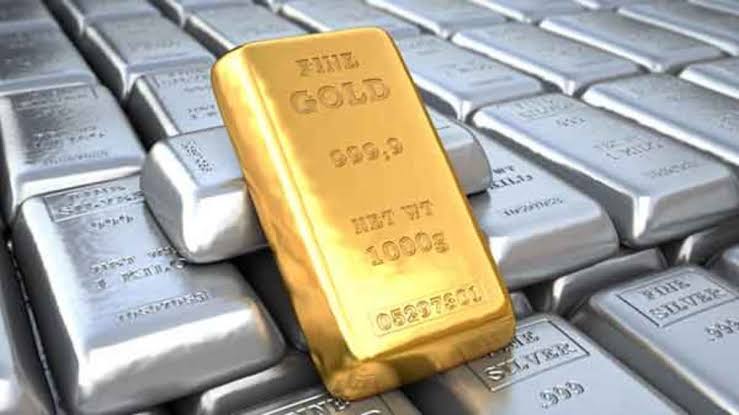
Shoppers keeping an eye on the gold rate today in Muzaffarpur often plan their purchases around small daily movements in price, while buyers tracking the gold rate today in Lakhimpur Kheri follow a similar routine before visiting their preferred jeweller. This habit of checking rates before stepping out is common across smaller cities and towns in India, where gold continues to hold enormous cultural and financial importance. Whether the purchase is for an upcoming wedding, a festival gift, or simply a long-term savings decision, understanding what drives these price changes helps buyers approach the market with far greater confidence.
Why Prices Differ From Place To Place
Though gold rates generally follow the same pattern, minor differences in rates between various towns and cities are not uncommon and may catch first-time buyers by surprise. Such variance in gold price in different cities is mostly determined by a combination of transportation cost, competition between jewellers in a given region, and general demand for gold in the local market during a particular season. A place that has multiple jewellery stores tends to witness lower gold prices, as sellers compete to get customers by providing lower making charges. Meanwhile, a buyer in an area where there are few jewellery stores available for consideration would have to pay slightly higher prices depending on the total sum of making charges included in the bill.
It is noteworthy that gold rate per gram, as defined by the basic purity of gold, is more or less uniform throughout the country. Local variations generally apply only to the additional charges applicable on gold jewellery in a given region. Understanding this nuance can help a buyer ensure that they do not end up paying extra without sufficient justification.
Understanding Purity And Its Impact On Price
The purity of gold, expressed in karats, is one of the most significant factors affecting the price of gold. Pure gold, also called 24-karat gold, has a purity level of 99.9 per cent, and commands the highest price per gram. However, 24-karat gold is quite soft and is generally not suitable for making jewellery fit for daily wear. Most types of gold jewellery are made from 22-karat gold, which contains approximately 91.6 per cent pure gold. Other metals like copper are mixed with gold to increase the hardness and improve the durability of jewellery articles.
However, younger buyers increasingly prefer gold jewellery made from 18K gold. 18-karat gold generally contains about 75 per cent pure gold and is ideal for making intricate designs and lightweight yet durable pieces suitable for daily wear and tear. Buyers have to decide on the suitability of gold purity for a given purpose, and accordingly choose between 18K, 22K or even 24K gold jewellery. Gold ornaments tend to be preferred mostly for their ornamental value, whereas gold bars or coins are typically purchased with investment considerations in mind.
The Role Of Hallmarking In Protecting Buyers
Since gold jewellery and gold coins tend to involve significant amounts of money, buyers must be able to identify gold products with precision to avoid being misled by unscrupulous sellers. Under the current hallmarking system, jewellery articles should have a certain level of purity as well as a unique identification number that can be matched with a list of certified jewellery items available with the testing centres. This unique number, as well as the level of purity, should be mentioned on a certificate that comes with the jewellery article. The hallmarking system is meant to help buyers identify purity of gold, and to a large extent, protect them against false advertising and gold dilution practices adopted by some unethical sellers. Prior to finalising a purchase deal, buyers are recommended to take a close look at such certification to ensure that they get exactly what they pay for.
Trusting a particular jeweller should not be a determining factor for making a purchase decision. If a buyer has any doubts about a specific jewellery product, they can always double-check the details or ask the jeweller to provide documentary proof of their claims. Such documentary proofs can also come in handy in case a jewellery buyer wants to sell the product back, or use it as collateral for a loan sometime in the future.
Making Informed Purchase Decisions
It is a well-known fact that demand for gold jewellery increases manifold during festive seasons and the marriage season, which usually drives up the price of gold. To get the best deal on gold jewellery, it is advisable to avoid buying gold during peak seasons if possible. Alternatively, buyers could also try to negotiate the making charges to get a better deal. In either case, comparing the rates between different shops on the same day can help the buyer save significantly, especially in case of large purchases worth several lakhs of rupees.
It is also a smart move to obtain a detailed invoice that breaks down the final amount into its constituent parts rather than paying a lump-sum amount at the end. Such an invoice would ideally mention the amount paid for the metal and the additional charges applicable for making and other purposes separately.
Gold As Part Of A Broader Financial Plan
Apart from being a part of traditional jewellery, gold continues to be a valuable investment option for the common Indian buyer. Unlike fiat currencies, gold has the potential to hold its value over a long period of time, and is therefore an excellent hedge against inflation. Gold can also be used as collateral for obtaining short-term loans, albeit at relatively lower interest rates compared to other forms of collateral. Hence, investors and ordinary buyers alike can consider buying gold coins or bars to diversify their investment portfolio, or set up an emergency fund. For most jewellery buyers, a combination of traditional and modern approaches to buying gold can help meet cultural expectations while investing in the future.