
Introduction
As digital payments continue to grow, businesses need reliable payment systems that can support customer transactions, improve success rates, and simplify financial operations. Two important technologies often discussed in this space are payment gateways and payment orchestration platforms.
Although both solutions help businesses process payments, they serve different purposes. Understanding the difference between payment orchestration and payment gateways can help companies choose the right payment infrastructure for their growth needs.
What Is a Payment Gateway?
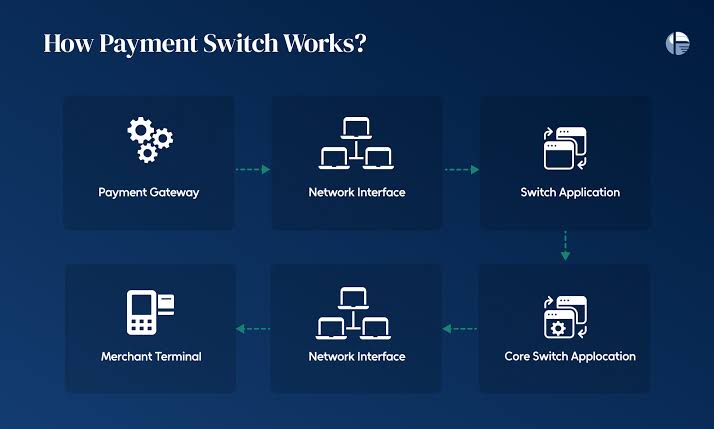
A payment gateway is a technology that enables businesses to accept online payments from customers. It acts as a connection between the customer, the business, and financial institutions by securely transmitting transaction information.
When a customer enters payment details during checkout, the payment gateway encrypts the information and sends it to the payment processor or bank for approval. Once the transaction is authorized, the payment gateway communicates the result back to the business.
Payment gateways are commonly used by e commerce stores, subscription businesses, and online service providers. They support payment methods such as credit cards, debit cards, digital wallets, and bank transfers.
What Is Payment Orchestration?
Payment orchestration is a more advanced payment management approach that allows businesses to connect and manage multiple payment providers through a single platform.
Instead of relying on one payment gateway, a payment orchestration platform creates a central layer between the business and multiple payment service providers. It can automatically select the best payment route based on factors such as transaction cost, location, payment method, and provider performance.
This allows businesses to improve payment flexibility, reduce failed transactions, and expand into new markets more efficiently.
Key Differences Between Payment Orchestration and Payment Gateways
1. Number of Payment Providers
A payment gateway typically connects a business to one payment processor or a limited set of payment options. If that provider experiences downtime or declines transactions, businesses may have fewer alternatives.
Payment orchestration allows companies to integrate multiple payment providers. This provides greater flexibility and ensures businesses can switch routes when necessary.
2. Transaction Routing Capabilities
Traditional payment gateways usually process transactions through a fixed path. Businesses have limited control over how payments are handled.
Payment orchestration platforms use intelligent routing technology. They can direct transactions to the most suitable provider based on predefined rules, helping increase approval rates and improve payment performance.
3. Global Payment Support
Businesses expanding internationally often face challenges related to currencies, local payment preferences, and regional providers.
A payment gateway may support some international payments, but payment orchestration provides broader capabilities by connecting multiple regional providers and payment methods through one system.
4. Payment Management and Reporting
Payment gateways generally focus on processing transactions. Additional reporting and management features may vary depending on the provider.
Payment orchestration platforms provide centralized dashboards that allow businesses to monitor transactions, compare provider performance, manage payments, and simplify reconciliation.
Conclusion
Payment gateways and payment orchestration platforms both play important roles in modern payment systems, but they solve different challenges. A payment gateway focuses on enabling transactions, while payment orchestration focuses on managing, optimizing, and improving the entire payment process.
As businesses continue to expand globally and customers expect seamless payment experiences, payment orchestration is becoming an increasingly valuable solution. By understanding these differences, companies can build a payment strategy that supports efficiency, reliability, and long-term growth.