
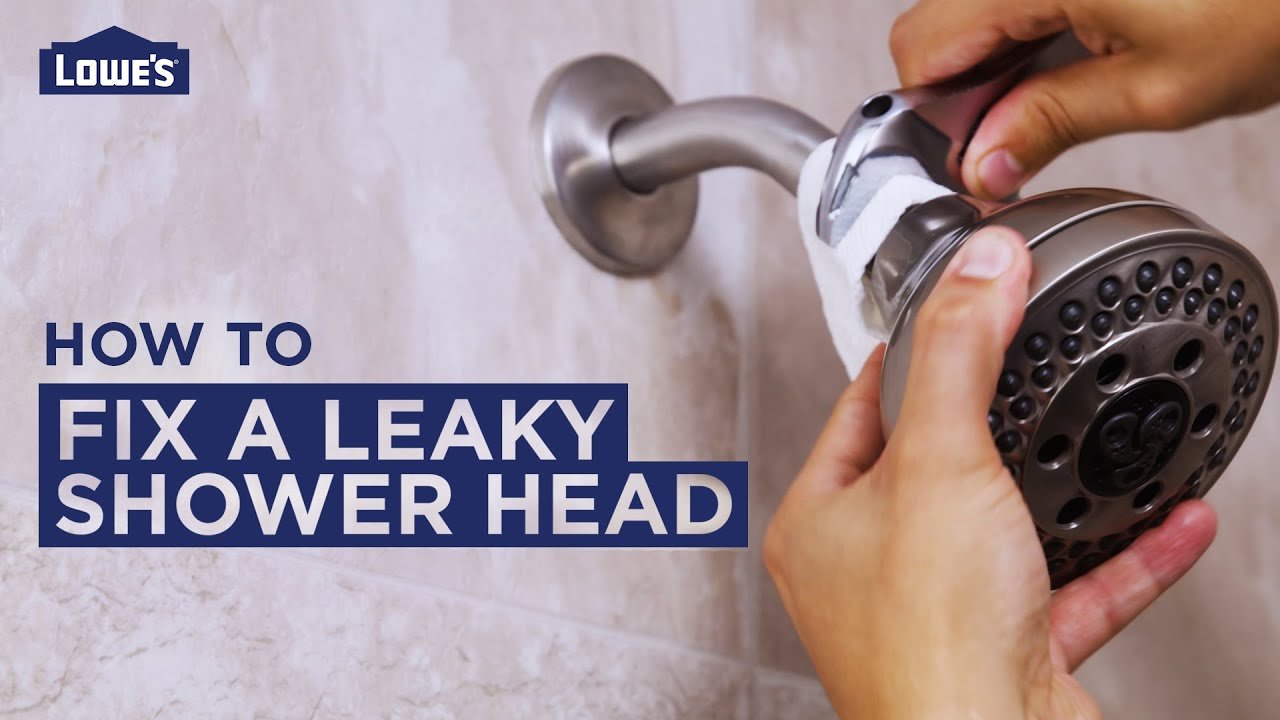
A dripping shower head is a common household annoyance. The culprit? Often a simple issue of mineral buildup or a worn-out washer. The constant drip-drip-drip can be both irritating and wasteful. Fear not! Understanding what causes shower head to drip is the first step towards fixing it. Let’s dive into the reasons behind this pesky problem and explore easy solutions to stop the drip in its tracks.

Discovering the Reasons Behind Why Your Shower Head Drips
Have you ever experienced the frustration of a shower head dripping incessantly even after you’ve turned off the water? That annoying ‘drip, drip, drip’ sound can drive anyone up the wall. But fear not, because in this comprehensive guide, we will delve into the various reasons that can cause your shower head to drip.
The Build-Up of Mineral Deposits
One of the most common culprits behind a dripping shower head is the build-up of mineral deposits. These deposits, often made of minerals like calcium and magnesium, can accumulate over time in the small openings of your shower head. As water passes through these clogged openings, it can result in uneven flow and, eventually, dripping.
To prevent mineral build-up, it’s essential to regularly clean your shower head. You can easily do this by soaking the shower head in a solution of vinegar and water to dissolve the minerals. Alternatively, you can use a brush to scrub away the deposits manually.
Worn-Out Shower Head Gasket
Another common reason for a dripping shower head is a worn-out gasket. The gasket is a small rubber ring located inside the shower head that helps create a tight seal when the water is turned off. Over time, this gasket can deteriorate, leading to leaks and drips.
If you suspect that the gasket in your shower head is the culprit, you can easily replace it with a new one. Most hardware stores carry replacement gaskets that are compatible with a wide variety of shower heads. Simply unscrew the shower head, remove the old gasket, and install the new one to stop the dripping.
Loose Connections
Loose connections between the shower head and the water pipe can also cause dripping. If the shower head is not securely attached to the pipe, water can seep out through the gaps, resulting in a persistent drip even after you’ve turned off the water.
To check for loose connections, inspect the area where the shower head meets the water pipe. If you notice any gaps or wobbling, tighten the connections using a wrench or plumbing tape. Ensuring a snug fit between the shower head and the water pipe can help eliminate the dripping issue.
High Water Pressure
While high water pressure can provide a strong and invigorating shower experience, it can also contribute to a dripping shower head. Excessive water pressure can put strain on the internal components of the shower head, causing them to wear out faster and develop leaks.
If you suspect that high water pressure is causing your shower head to drip, consider installing a pressure regulator or aerator to reduce the pressure to a more manageable level. This can not only help prevent dripping but also extend the lifespan of your shower head.
In conclusion, a dripping shower head can be a nuisance, but with a bit of troubleshooting and maintenance, you can easily identify and address the underlying causes. Whether it’s mineral deposits, a worn-out gasket, loose connections, or high water pressure, understanding the reasons behind why your shower head drips is the first step towards enjoying a leak-free shower experience. By taking proactive steps to address these issues, you can bid farewell to the incessant dripping and get back to enjoying your showers in peace.
How To Fix a Leaking or Dripping Shower / DIY Replace Shower Cartridge
Frequently Asked Questions
Why is my shower head dripping constantly?
A dripping shower head is typically caused by a worn-out or damaged washer within the shower head. Over time, these washers can deteriorate or become loose, resulting in water leaking out even when the shower is turned off.
How can I prevent my shower head from dripping?
To prevent your shower head from dripping, regular maintenance is key. You can start by ensuring that the connections are tight and the washers are in good condition. Additionally, cleaning the shower head regularly can help to remove any mineral buildup that may affect its performance.
Can high water pressure cause a shower head to drip?
Yes, high water pressure can indeed be a contributing factor to a dripping shower head. Excess pressure can put strain on the internal components of the shower head, leading to leaks and drips. Consider installing a pressure regulator to keep the water flow at a safe level.
Is a dripping shower head a common plumbing issue?
Yes, a dripping shower head is a common plumbing issue that many homeowners face. It is often a minor problem that can be fixed with simple repairs or replacements of worn-out parts. However, if the dripping persists despite troubleshooting, it may be a sign of a larger plumbing issue that requires professional intervention.
Final Thoughts
Shower heads drip due to mineral buildup, worn-out washers, or a faulty valve. Regular cleaning and maintenance can prevent these issues. Replacing worn-out parts and ensuring proper installation are key to avoiding drips. Understanding what causes shower heads to drip is essential for maintaining a consistent water flow. Regular maintenance will help you enjoy a refreshing shower experience without any unwanted leaks.