
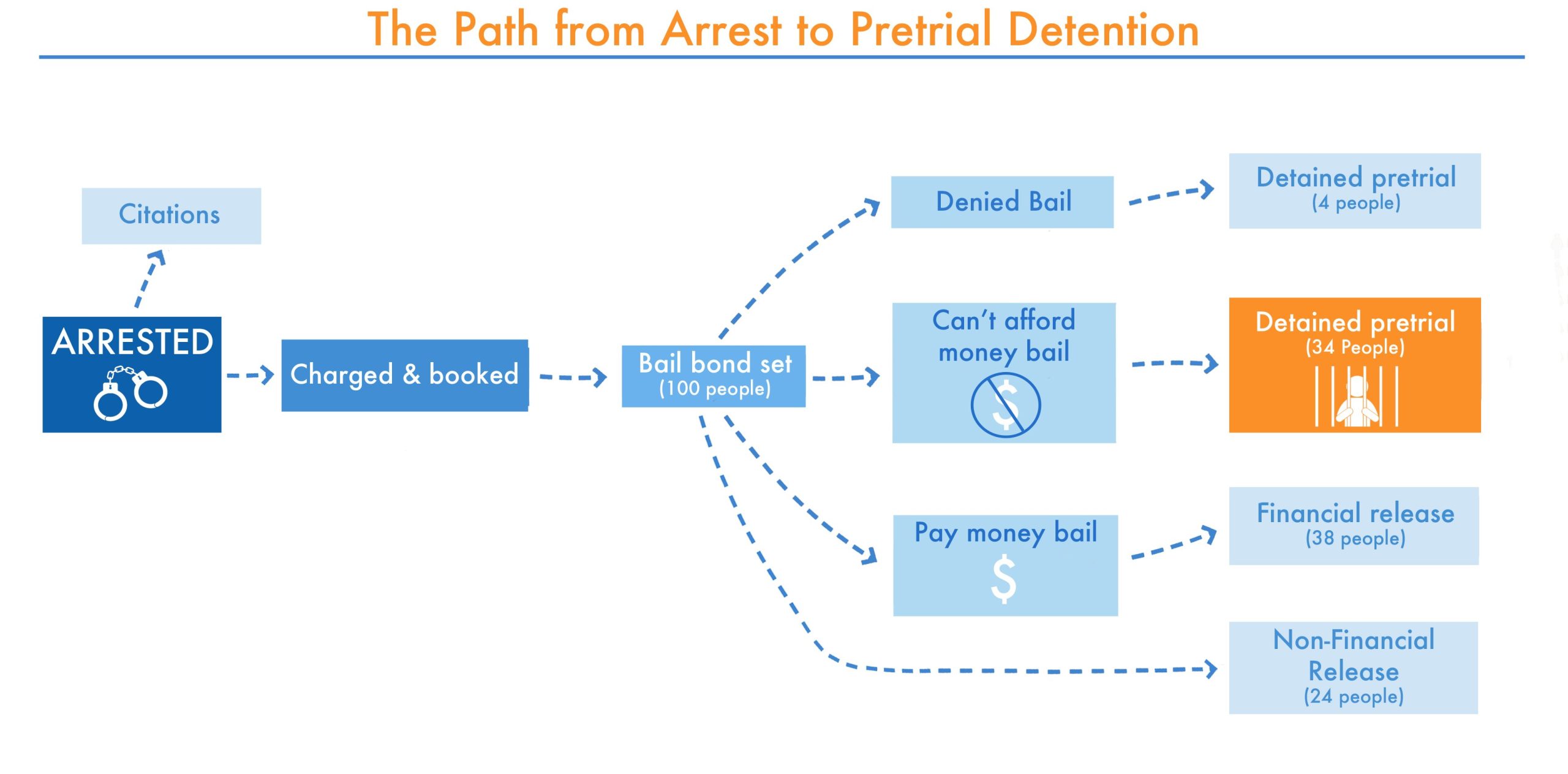
“What does bond denied mean? If you find yourself facing this situation, it signifies that a court has refused to grant you the opportunity for release before your trial. This denial can have significant implications on your legal process and freedom. Understanding the reasons behind a bond denial and exploring alternative options is crucial in navigating this challenging situation. Let’s delve deeper into the meanings and repercussions of bond denial.”

What Does Bond Denied Mean
Welcome, young readers! Have you ever heard the term ‘bond denied’ but weren’t sure what it really means? In today’s blog post, we are going to explore this topic in detail. So, buckle up and let’s dive into the world of legal terms!
Understanding the Basics
Before we delve into the specifics of what ‘bond denied’ means, let’s first understand the concept of a bond. A bond, in legal terms, is a sum of money paid to the court as a form of guarantee that a person accused of a crime will appear for their court hearings.
Now, when we say ‘bond denied,’ it simply means that the person who is accused of a crime has not been granted the opportunity to post bail or pay a bond to secure their release from custody before their trial.
Reasons for Bond Denial
There are several reasons why a judge may decide to deny someone the chance to post bond. One common reason is if the judge believes that the person poses a flight risk, meaning they might try to escape and not show up for their court dates. In such cases, the judge may decide that it is safer to keep the accused person in custody until their trial.
Another reason for bond denial could be the severity of the crime. If the alleged offense is very serious and poses a threat to the community, the judge may decide that it is not appropriate to grant bond, considering the safety of others.
Impact of Bond Denial
Being denied bond can have a significant impact on the person accused of a crime. It means that they have to stay in jail until their trial is completed, which could take several weeks or even months. This can be a challenging and stressful time for the individual and their families.
Furthermore, being in jail before a trial can also affect the person’s defense. It may limit their ability to assist in preparing their case and gathering evidence to support their innocence.
Legal Rights and Options
It’s essential to know that even if someone is denied bond, they still have legal rights and options available to them. They have the right to legal representation, and their attorney can work to present arguments in court to request a bond hearing or explore other avenues for release.
Additionally, in some cases, there may be grounds for appealing the decision to deny bond. This process involves presenting new evidence or arguments to a higher court to reconsider the initial decision.
As we wrap up our discussion on what ‘bond denied’ means, it’s crucial to remember that this legal term has significant implications for individuals facing criminal charges. While being denied bond can be a challenging situation, it’s essential to seek legal advice and explore all available options to ensure fair treatment and representation within the legal system.
Thank you for joining us on this journey to understand the meaning of ‘bond denied.’ Stay curious and keep learning, young minds!
Why was Sean "Diddy" Combs denied bail after split verdict?
Frequently Asked Questions
What is the meaning of “bond denied”?
When a person is denied bond, it means that the individual is not allowed to be released from custody before their trial or court appearance. This decision is typically made by a judge and is based on various factors such as the seriousness of the alleged crime, flight risk, and public safety concerns.
What happens if a bond is denied?
If a bond is denied, the individual will remain in custody until their trial or court date. This means they will not have the opportunity to be released on bail, and they will stay in jail or a detention facility until their case is resolved.
Can a bond denial be appealed?
Yes, in some cases, a bond denial can be appealed. The individual or their legal representation can file a motion to reconsider the decision with the court. However, whether the appeal is successful or not will depend on the specific circumstances of the case and the reasons for the initial bond denial.
Why do judges deny bond?
Judges may deny bond for various reasons, including concerns about the individual being a flight risk, posing a danger to the community, or if the alleged crime is particularly serious. Judges consider factors such as the individual’s criminal history, ties to the community, and the strength of the evidence against them when making a decision on bond.
Final Thoughts
In conclusion, when a bond is denied, it means that the defendant must remain in custody until their trial. This decision is made based on factors such as flight risk or danger to the community. Bond denial signifies that the court deems the individual too high of a risk to be released before their case is resolved. Understanding what does bond denied mean can have significant implications for the defendant’s legal situation.